Engaging Introduction
Let me clear something up right away—because I've heard this rumor floating around for years, and it needs to stop.
Paprika is not made from crushed bugs. It never was. It never will be.
I don't know who started that myth, but every few months, someone asks me with a worried look, "Wait… isn't paprika made from insects?" And I have to gently explain that no, you've been eating a perfectly innocent ground pepper this whole time. The confusion probably comes from another red food coloring called carmine (which is made from crushed cochineal insects). But paprika? Paprika is 100% plant-based, vegetarian, vegan, and bug-free.
So if you've been avoiding this beautiful, vibrant red spice because of a weird internet rumor, breathe easy. You can come back to it.
But that raises the real question: if paprika isn't made from bugs, what is it made of? Where does that deep red color come from? And why are there so many different kinds—sweet, hot, smoked—all called paprika?
I spent way too many hours digging into the surprisingly fascinating world of paprika production. And what I found completely changed how I look at that little red jar in my spice cabinet. Let me walk you through it.
The Simple, Honest Answer: Paprika Is Just Ground Peppers
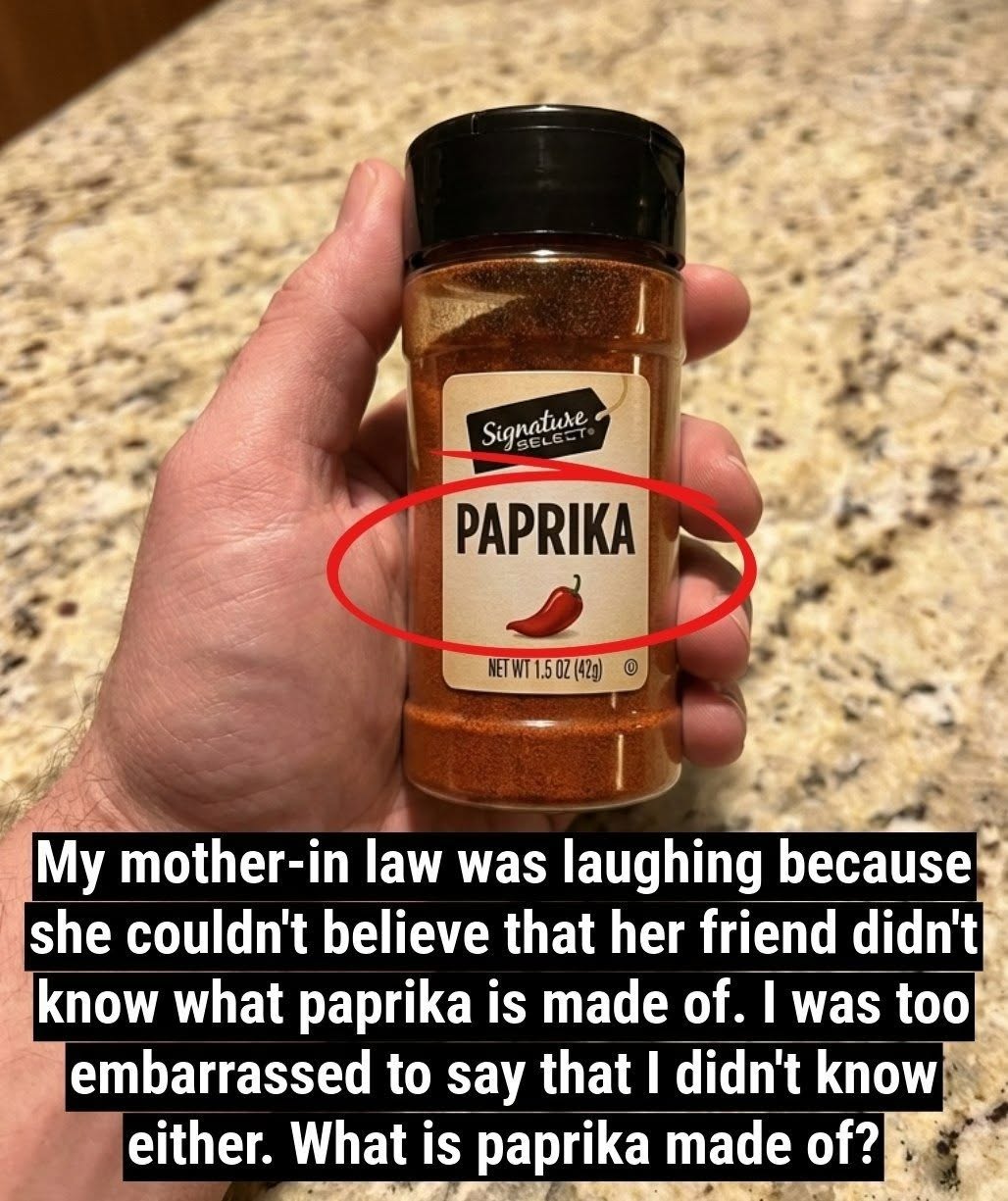
Here's the truth in one sentence: paprika is made by drying and grinding specific varieties of red peppers, all from the Capsicum annuum family.
That's it. Peppers. Nothing else.
The same family of peppers gives us bell peppers, sweet peppers, and even some hot chili peppers. Depending on the variety, how it's processed, and whether it's smoked, you end up with different types of paprika.
So why does it look so different from regular ground red pepper flakes? Two reasons: the specific pepper variety and the fact that the seeds and inner membranes (where most of the heat lives) are often removed before grinding.
Let me break that down.
Where Does Paprika Actually Come From?
Paprika has been around for centuries. Its story starts in Central and South America, where peppers have grown wild for thousands of years. But the paprika we know today—the spice that defines Hungarian goulash and Spanish chorizo—was born in Europe after peppers were brought back from the New World.
Hungary is the country most associated with paprika. In fact, Hungarian cuisine without paprika is almost unthinkable. The Hungarians didn't just adopt the pepper—they perfected it, developing unique pepper varieties and eight different grades of paprika (from delicate and sweet to fiery and pungent).
Spain is the other major player. Spanish paprika, known as pimentón, is often smoked over oak fires, giving it that deep, bacon-like aroma that transforms everything from paella to deviled eggs.
The United States also produces paprika, primarily in California and the Southwest, though American paprika tends to be milder and more for color than flavor.
So when you buy a jar of paprika, you're holding centuries of pepper-breeding tradition in your hands.
The Step-by-Step Journey: From Pepper Plant to Spice Jar
Paprika doesn't just happen. It's a process. A beautiful, labor-intensive process that explains why good paprika costs more than the sad, flavorless dust in the back of your spice drawer.