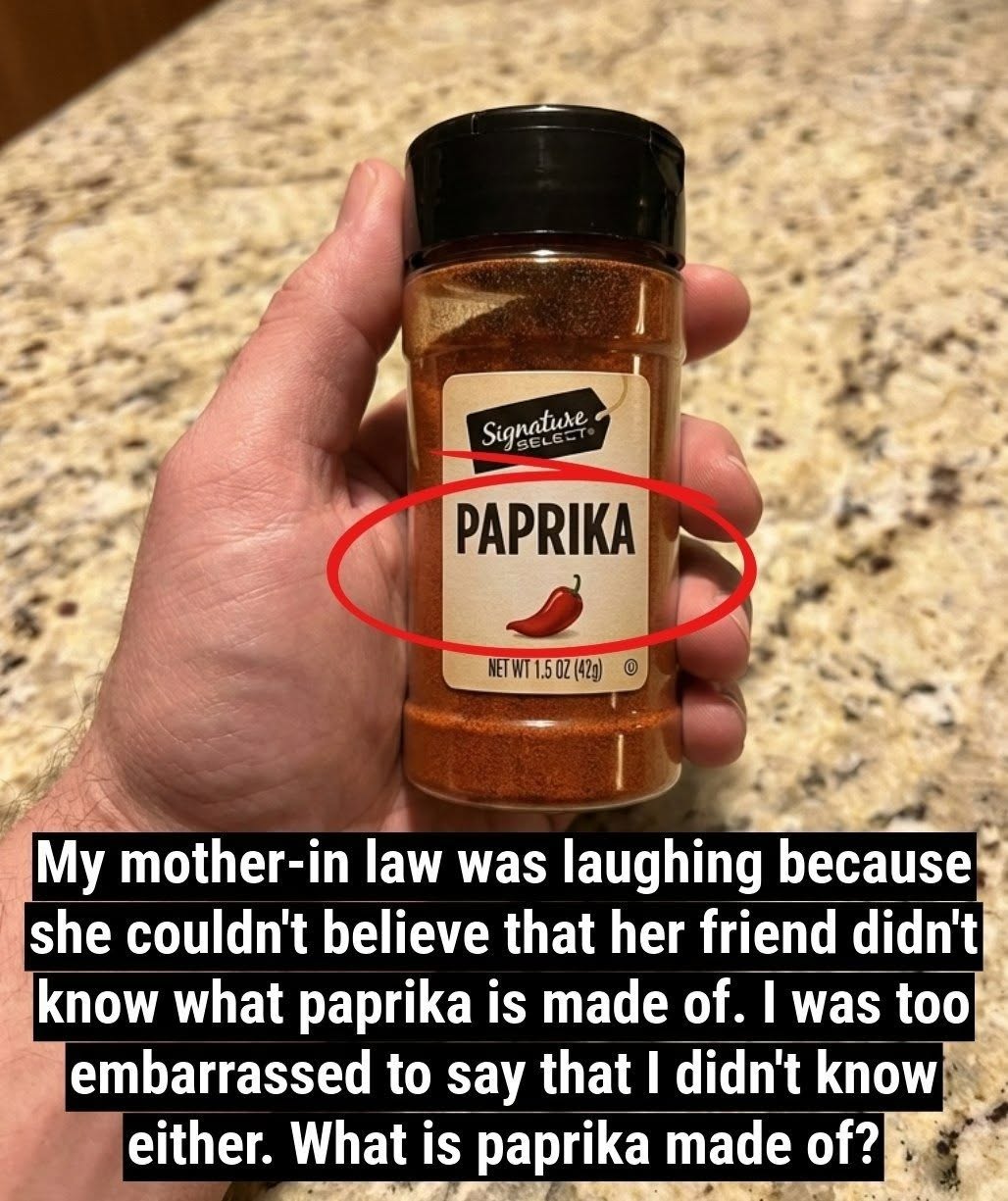
Not all peppers become paprika. Specific varieties are grown for their color, sweetness, or heat. The most common is the Capsicum annuum Tomat elèctric variety. These peppers are typically long, tapered, and deep red when fully ripe.
Step 2: Harvesting at Peak Redness
Timing matters enormously. Peppers are left on the plant until they're fully mature and deep crimson. Harvesting too early means less color and less flavor.
Discover more
Fruits & Vegetables
Salad
Poultry
Step 3: Drying (The Traditional Way vs. Modern Way)
Traditionally, ripe peppers were strung on long threads (called ristras or füzér) and hung to dry in the sun or in well-ventilated barns. This could take weeks.
Today, most commercial paprika uses industrial dehydrators—faster and more consistent, though some purists argue the slow sun-drying method produces deeper flavor.
Here's where smoking happens: For smoked paprika (pimentón de la Vera), the peppers are dried over smoldering oak fires for 10–15 days. The smoke infuses the peppers completely, not just on the outside.
Step 4: Removing Stems, Seeds, and Membranes
This is the critical step that separates sweet paprika from hot paprika. The stems are removed (they're bitter). Then the seeds and inner white membranes are either:
Removed entirely → Sweet, mild paprika with almost no heat
Partially left in → Medium-hot paprika
Fully included → Hot paprika with significant kick
The red flesh (pericarp) is what gives paprika its gorgeous color. The seeds and membranes add heat but also bitterness and texture.
Discover more
Snack Foods
Sugar
Food
Step 5: Grinding to a Fine Powder
The dried peppers are ground, traditionally with stone mills, now more often with high-speed steel grinders. The fineness of the grind determines the final texture—from coarse and rustic to silky and fine.
Premium paprika is often ground twice or even three times to achieve that velvety, almost creamy texture that dissolves instantly into sauces and oils.
Step 6: Sifting and Packaging
The ground powder is sifted to remove any remaining seed fragments or stem bits. Then it's immediately packaged to preserve color and flavor. Light and air are paprika's enemies—which is why good paprika comes in light-blocking tins or dark glass jars.
Discover more
Salads
Salad
Snack Foods
The Different Types of Paprika (And When to Use Each)
Not all paprika is created equal. Here's your cheat sheet.
Type Flavor Profile Color Best Uses
Sweet Paprika (Hungarian) Mild, slightly sweet, almost fruity Bright red Goulash, rubs, deviled eggs, garnish
Hot Paprika (Hungarian) Pungent, spicy, warming Deep red Spicy sausages, hearty stews, chili
Smoked Paprika (Spanish) Smoky, earthy, bacon-like Dark brick red Paella, chorizo, grilled meats, roasted veggies
Half-Sweet (Hungarian) Balanced, medium heat and sweetness Medium red Versatile everyday use
American Paprika Very mild, mostly for color Light red/pink Garnish on potato salad, eggs, mac and cheese
My personal pantry always has three: sweet Hungarian for everyday cooking, smoked Spanish for anything grilled or roasted, and a little jar of hot for when I want a warm kick without using chili powder.
Discover more
Sugar
Cooking & Recipes
Fruits & Vegetables
The "Paprika Is Bugs" Myth – Where Did It Come From?
Let me put this to rest completely.
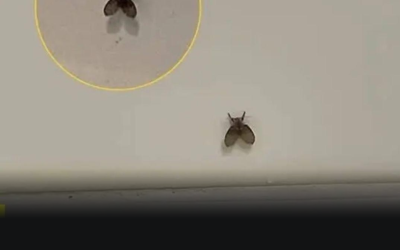
The confusion comes from a food coloring called carmine (also known as cochineal extract or E120). Carmine is made by crushing female cochineal insects, which produce a vibrant red pigment. You'll find it in some red yogurts, candies, fruit juices, and even some cosmetics.
Paprika extract is also used as a natural red food coloring. Both carmine and paprika extract can be listed as "natural coloring" on ingredient labels. Somewhere along the way, people confused the two.
Paprika = ground peppers.
Carmine = crushed bugs.
They are completely different. Paprika is vegetarian, vegan, kosher, halal, and 100% insect-free. The only bugs near my paprika are the ones occasionally finding their way into my kitchen (which is a different article).
Discover more
Poultry
Cooking & Recipes
Salads
Does Paprika Have Any Health Benefits?
Since we're talking about what paprika is made of—real, whole peppers—it makes sense that it carries some of the same benefits as fresh peppers.
Paprika is surprisingly nutrient-dense for a spice:
Vitamin A (from beta-carotene) – supports eye health and immune function
Vitamin E – a powerful antioxidant
Vitamin B6 – important for brain health and energy metabolism
Iron – especially in sweet paprika, which contains a surprising amount
Capsaicin (in hot paprika) – linked to pain relief, metabolism boost, and anti-inflammatory effects
A tablespoon of paprika provides about 20% of your daily vitamin A needs. Not bad for something you sprinkle on deviled eggs.
That said, you'd have to eat a lot of paprika to get significant benefits. Think of it as a delicious bonus, not a health supplement.
How to Tell If Your Paprika Is Good (Because So Much of It Is Stale)
Here's a sad truth: most supermarket paprika is old, faded, and flavorless. Paprika loses its vibrant color and complex flavor within about six months of grinding. Yet the jar on the grocery store shelf might have been there for a year or more.
Here's how to know if your paprika is worth using:
Color check: It should be bold, bright red or deep crimson. Pale, orange, or brownish paprika is past its prime.
Smell test: Fresh paprika smells sweet, peppery, and distinctly like dried peppers. If it smells like dust or nothing at all, toss it.
Taste it: Fresh paprika should taste vibrant and slightly fruity (sweet) or smoky. Flat, bitter, or cardboard flavors mean it's gone.
Buy small quantities: Don't buy the giant value-size jar unless you run a restaurant. Buy the smallest amount you can from a store with high turnover.
My rule: Replace your paprika every 6–8 months. Write the purchase date on the jar with a marker. You'll be amazed at the difference fresh paprika makes.
How to Store Paprika for Maximum Flavor
Paprika's enemies are light, heat, air, and time.
Keep it in a dark place – Not on a spice rack next to the stove. Not in direct sunlight. A dark cupboard is ideal.
Light-proof container – The best paprika comes in tins or dark glass. If yours came in a clear glass jar, transfer it to something opaque.
Cool temperature – Away from the oven, dishwasher, or any heat source.
Sealed tight – Air oxidizes the pigments and volatilizes the flavor compounds.
Never store in the fridge – Condensation will ruin it faster than heat.
Frequently Asked Questions
Is paprika gluten-free?
Yes. Pure ground paprika is just dried peppers—no gluten. Always check labels for cross-contamination if you have celiac disease, but single-ingredient spices are generally safe.
Can I grow my own paprika peppers?
Absolutely. Grow red sweet peppers or chili peppers, let them fully ripen to deep red, dry them (in a dehydrator or low oven), then grind them in a spice grinder. Homemade paprika won't be as fine as commercial, but the flavor will be incredible.
Why does some paprika taste like nothing?
You're buying cheap, old, or low-quality paprika. Good paprika should have distinct flavor—sweet, hot, or smoky. If it tastes like red dust, buy a better brand from a specialty store or online.
Is smoked paprika the same as liquid smoke?
No. Smoked paprika is whole peppers smoked and ground. Liquid smoke is condensed smoke from burning wood, often with additives. They're not interchangeable in recipes.
Can I substitute chili powder for paprika?
Not really. Chili powder contains paprika, but also cumin, oregano, garlic powder, and often cayenne. The flavor profile is completely different. In a pinch for color only? Maybe. For flavor? No.
Does paprika expire?
It doesn't spoil in a way that makes you sick, but it definitely loses flavor and color. "Expired" paprika is safe to eat but disappointing to cook with.
A Warm, Encouraging Conclusion
So here's the truth, plain and simple: paprika is just ground peppers. Beautiful, flavorful, sun-dried, sometimes smoked, always plant-based peppers. No bugs. No mystery ingredients. No reason to fear that little red jar.
I love paprika for what it is—an affordable, versatile workhorse that can add sweetness, heat, smoke, or just a gorgeous pop of red to almost any dish. A sprinkle on deviled eggs. A generous spoonful in chicken paprikash. A smoky dusting over roasted potatoes. It's one of those spices that quietly makes everything better without demanding attention.
The next time someone asks you, "Isn't paprika made from bugs?" you can smile, shake your head, and set the record straight. Then maybe offer them a taste of something delicious sprinkled with the real thing.
Now I'd love to hear from you. Did you grow up believing the paprika-bug myth? Do you have a favorite type of paprika you swear by? Or a recipe that just isn't the same without that red dust? Drop a comment below—I genuinely read every single one.
And if this article cleared up a confusion for you, please share it with a friend who's been avoiding paprika for all the wrong reasons. Let's put this rumor to bed for good.
Now go cook something beautiful and sprinkle it with red. 🌶️🔴✨