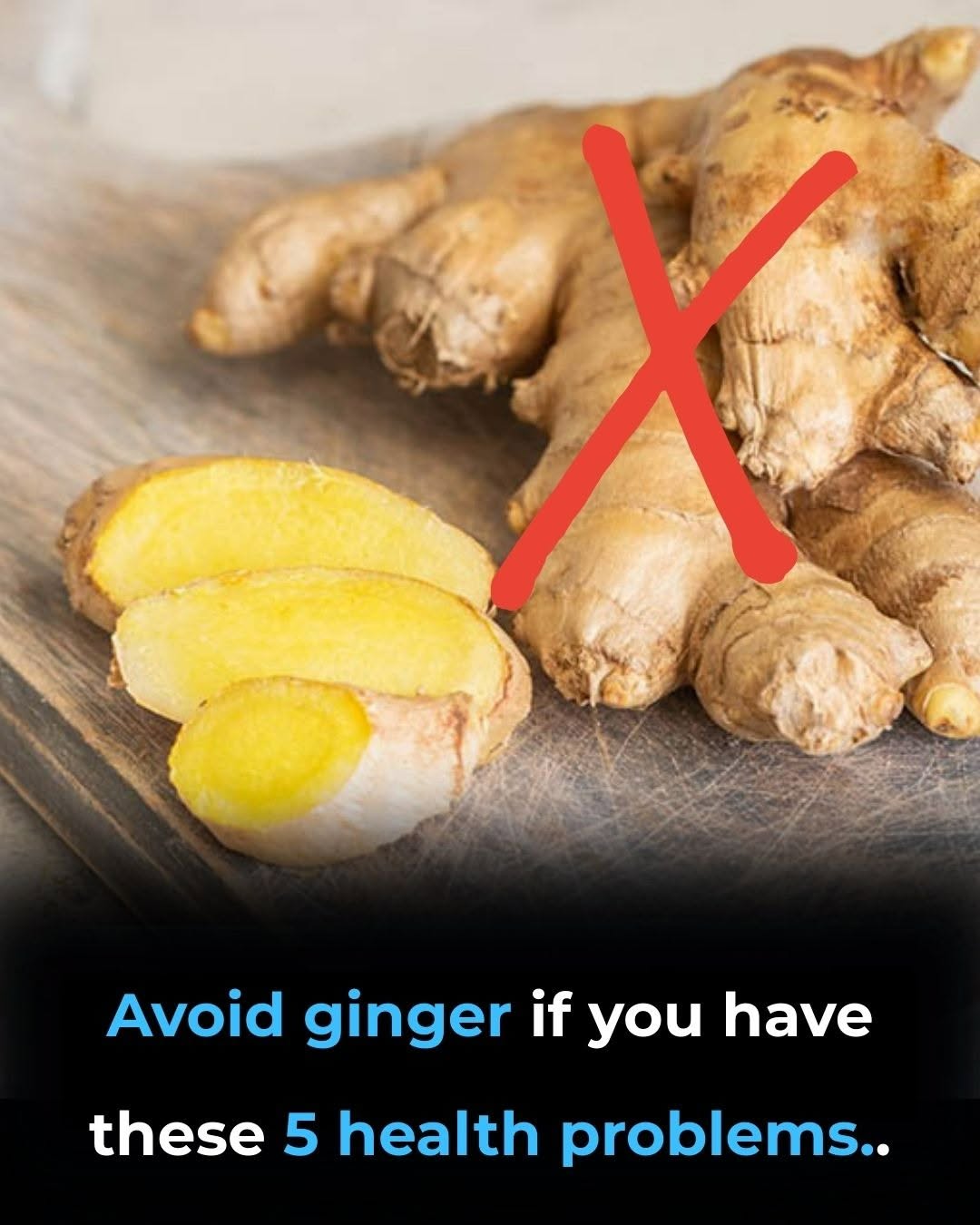
Ginger is celebrated for its soothing effects on nausea, its anti-inflammatory properties, and its warm, zesty flavor. For most people, it's a safe and beneficial addition to food or tea.
But ginger isn't right for everyone.
If you have certain health conditions or take specific medications, ginger—even in culinary amounts—could pose risks. Understanding these contraindications helps you enjoy ginger safely or choose alternatives when needed.
If you've ever wondered whether that ginger tea or supplement is right for you, you're in the right place. Let's explore the five health situations where caution with ginger is advised—backed by science, explained with care.
⚠️ The 5 Health Situations Where Ginger Should Be Avoided or Used With Caution
1. Bleeding Disorders or Use of Blood-Thinning Medications
The Risk: Ginger has natural anti-platelet properties, meaning it can slow down blood clotting. While this is beneficial for circulation in healthy individuals, it can be dangerous for those who already have trouble clotting or are taking medication to thin their blood.
Who Should Be Cautious:
- People taking anticoagulants like warfarin (Coumadin), clopidogrel (Plavix), or aspirin.
- Individuals with bleeding disorders like hemophilia.
- Anyone scheduled for surgery.
Why It Matters: Combining ginger with blood thinners can increase the risk of bruising, nosebleeds, and excessive bleeding during or after surgery. Most doctors recommend stopping ginger supplements at least 2 weeks before any scheduled surgical procedure.