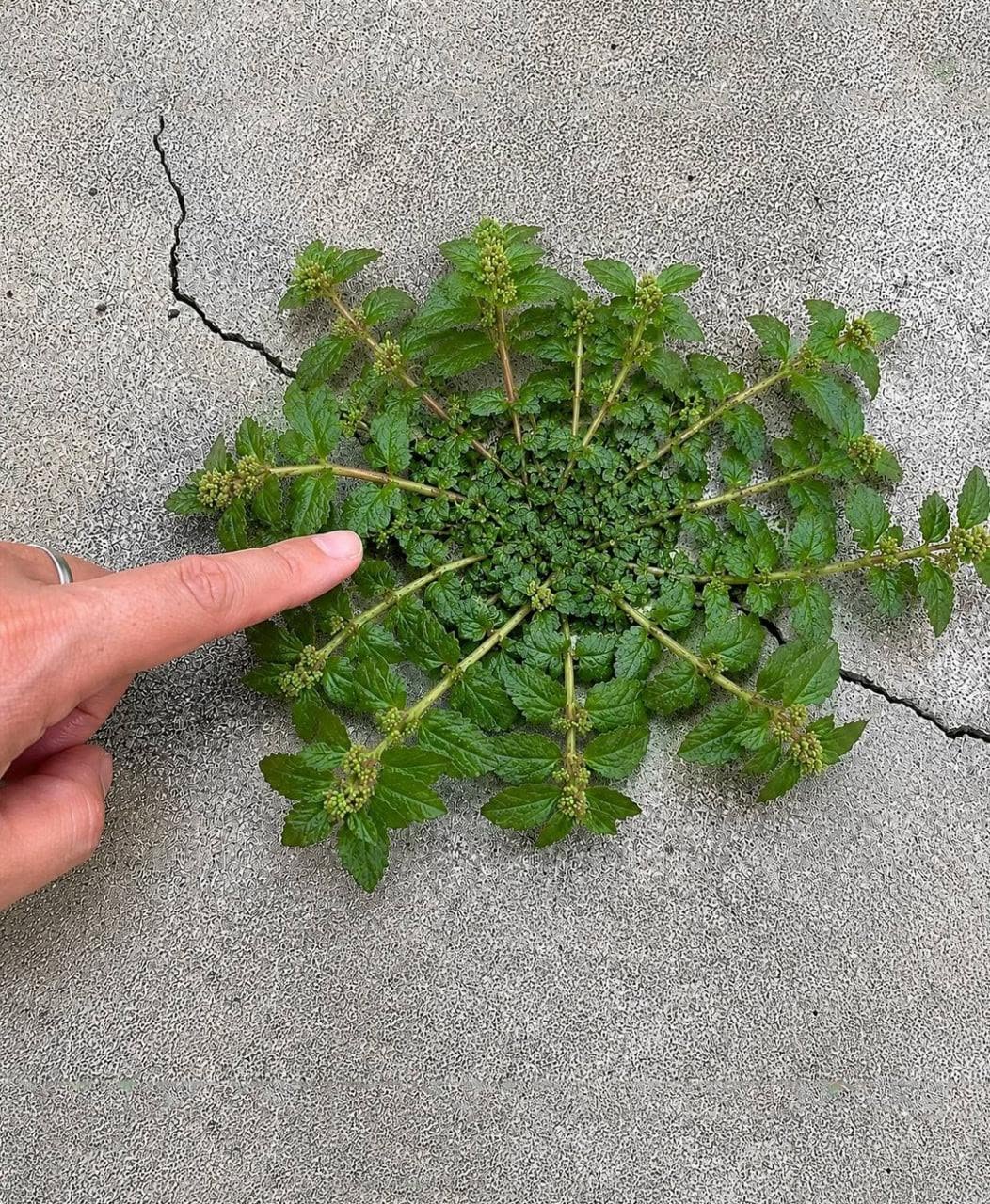
Every few weeks, a new plant seems to take over social media.
One post claims a single leaf can melt belly fat. Another promises it can reverse aging, cleanse the liver, regulate blood sugar, boost memory, improve circulation, and even replace prescription medications.
The headlines are often dramatic:
- “Doctors Hate This Plant!”
- “One Leaf Changes Everything!”
- “Nature’s Secret Cure Finally Revealed!”
- “This Plant Is Worth More Than Gold!”
These claims attract millions of views because they appeal to something deeply human: the hope that a simple natural solution can solve complicated health problems.
But how much of it is actually true?
The reality is far less dramatic—but much more useful.
Many plants genuinely contain valuable nutrients, antioxidants, and bioactive compounds that can support health. However, no ordinary leaf is literally worth a gold mine, and no single plant can cure every disease.
Understanding the difference between evidence and exaggeration can help you make better decisions for your health.
 Why Plant Claims Spread So Easily
 Why Plant Claims Spread So Easily
Plants have a powerful image.
They feel:
- Natural
- Ancient
- Traditional
- Gentle
- Safe
Many cultures have relied on herbs and plants for centuries, and modern medicine itself originated from numerous plant compounds.
For example:
- Aspirin was inspired by compounds found in willow bark.
- Digitalis comes from foxglove plants.
- Many modern cancer drugs originated from plant research.
Because of this history, people are often willing to believe extraordinary claims about ordinary plants.
Unfortunately, social media algorithms reward attention—not accuracy.
The more shocking the claim, the more likely it is to be shared.
Continue reading on the next page for the warning signs of viral plant myths.